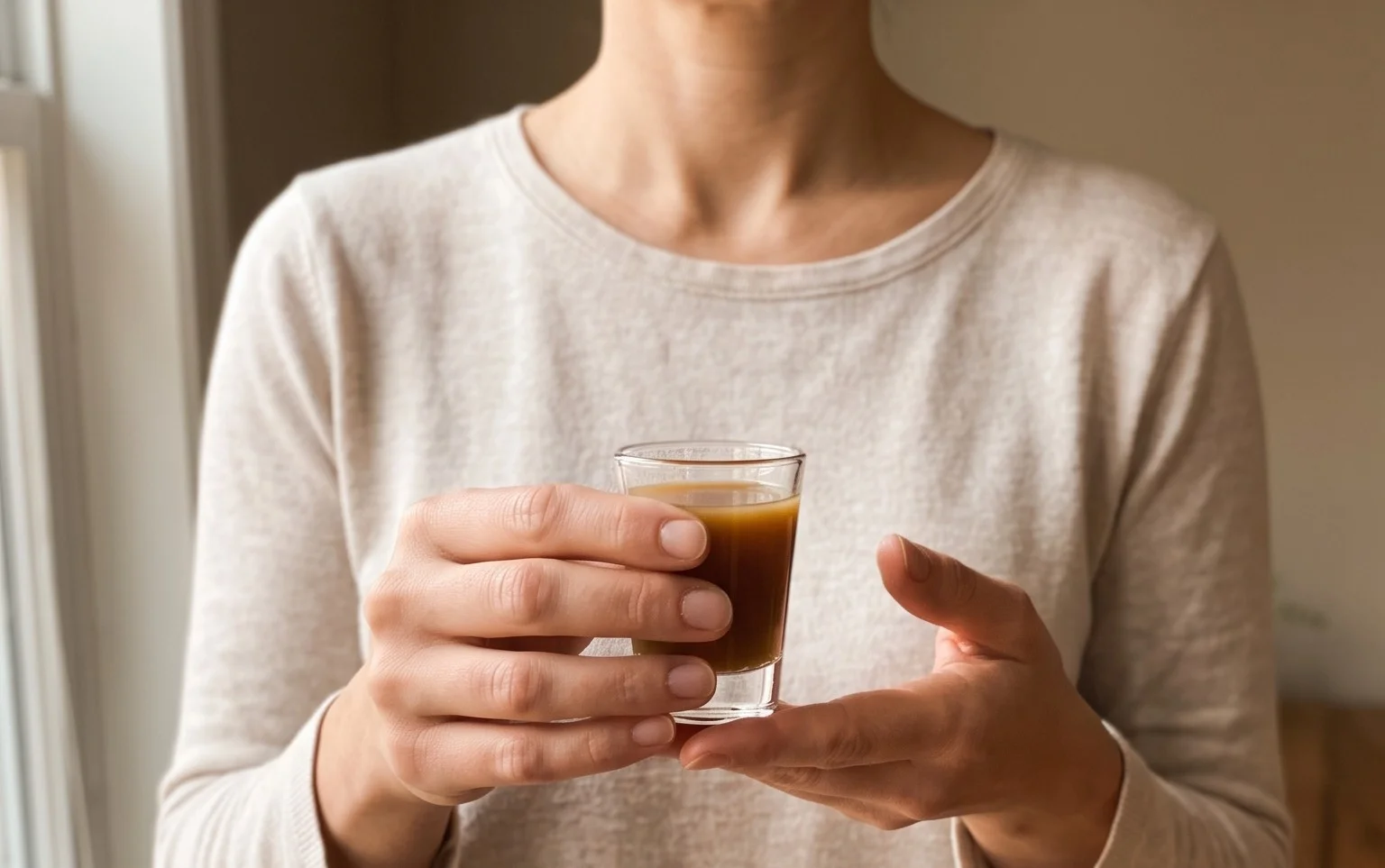
Homemade immunity shots can be a simple and supportive addition to your daily wellness routine. These concentrated, nutrient-rich beverages are designed to offer a boost of beneficial ingredients to help support your body’s natural defenses. In our busy lives, finding accessible ways to nurture our well-being is key, and a homemade shot offers a convenient option. This is particularly relevant for anyone looking for proactive ways to support their health, whether you’re navigating a busy work schedule, a fluctuating climate, or simply aiming for consistent, everyday vitality. In this article, we’ll explore the principles behind homemade immunity shots, discuss common ingredients and their potential benefits, and offer guidance on how to incorporate them into your lifestyle. Our aim is to provide you with factual, supportive information to empower your wellness journey.
Boost Your Defenses: Understanding and Creating Homemade Immunity Shots
Feeling a tickle in your throat? Battling that mid-afternoon slump? In our pursuit of well-being, many of us turn to quick fixes and remedies that promise to bolster our body’s natural defenses. One such popular approach is the “immunity shot,” often a concentrated blend of fruits, vegetables, and spices. But what exactly are these vibrant concoctions, and how can they fit into a balanced approach to health? This article will explore homemade immunity shots in plain language, discuss common signs that might make you consider boosting your intake, review general health guidance, offer practical habits, explore the evidence, debunk common myths, and, crucially, outline when professional medical advice is essential.
What Exactly is a Homemade Immunity Shot?
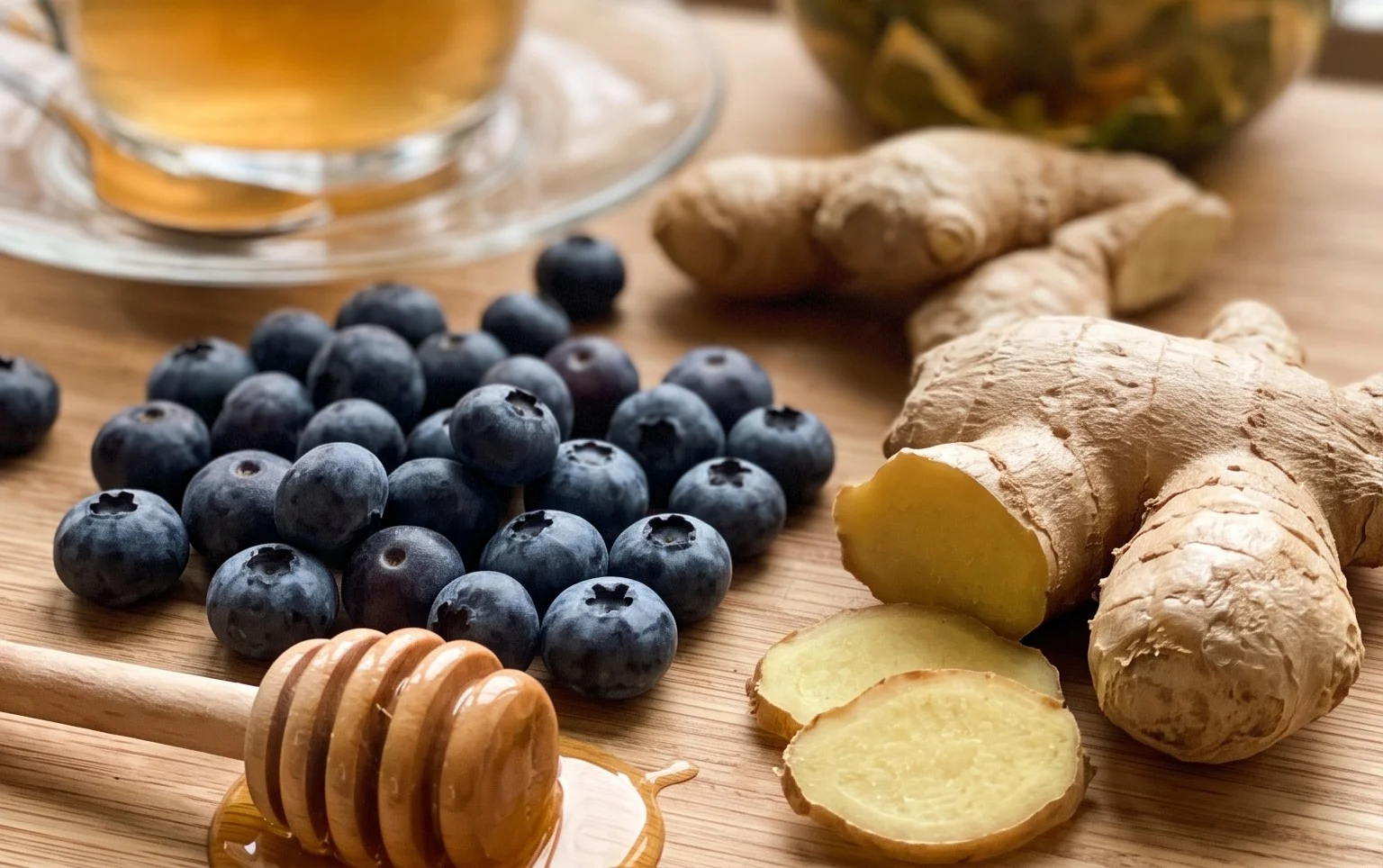
In essence, a homemade immunity shot is a small, concentrated beverage typically made from a blend of nutrient-rich ingredients. Think of it as a potent, liquid multivitamin derived directly from whole foods. These shots are usually crafted with ingredients known for their vibrant colors and often pungent flavors, such as citrus fruits (lemons, oranges), ginger, turmeric, garlic, and sometimes cayenne pepper or other herbs. The idea is to pack a powerful punch of vitamins, minerals, antioxidants, and other beneficial compounds into a single serving that is easy to consume quickly. They are not meant to replace meals but rather to supplement your diet with a concentrated dose of goodness, particularly during times you feel your immune system might need a little extra support.
Common Signs or Factors Prompting an Interest in Immune Support
You might find yourself drawn to immunity shots or other immune-boosting strategies when you notice certain patterns or experiences. These aren’t necessarily indicators of illness but rather signals that your body might be under more strain or could benefit from enhanced nutritional support.
- Increased susceptibility to common colds or infections.
- Feeling frequently fatigued or lacking energy, even with adequate rest.
- Experiencing more frequent headaches or minor aches and pains.
- Noticing that recovery from minor illnesses takes longer than usual.
- Periods of high stress, whether from work, personal life, or significant events.
- Changes in diet or lifestyle that might temporarily reduce nutrient intake.
- Seasonal changes that can affect energy levels and exposure to pathogens.
These are common experiences that prompt many people to think proactively about their health and well-being.
General Guidance from Health Authorities
Health authorities and experts consistently emphasize that the cornerstone of a robust immune system lies in a foundation of healthy lifestyle habits. While specific dietary supplements can play a role, they are generally considered supplementary to a well-rounded approach. The overarching guidance points towards:
- Maintaining a balanced and nutrient-dense diet rich in fruits, vegetables, whole grains, and lean proteins.
- Getting adequate and quality sleep consistently.
- Engaging in regular physical activity.
- Managing stress through effective coping mechanisms.
- Staying hydrated by drinking plenty of water.
- Practicing good hygiene, such as regular handwashing.
While homemade immunity shots can be a way to incorporate nutrient-dense ingredients, health authorities generally do not recommend them as a standalone solution or a substitute for these fundamental pillars of health. The emphasis is always on a holistic approach rather than isolated remedies.
Practical Everyday Habits for Enhanced Well-being
Incorporating habits that support your immune system doesn’t require drastic changes. Small, consistent actions can make a significant difference.
Dietary Habits:
- Aim to include a variety of colorful fruits and vegetables in your daily meals. Different colors often indicate different types of beneficial plant compounds.
- Incorporate sources of vitamin C, such as citrus fruits, berries, and bell peppers, throughout the day.
- Include foods rich in zinc, like nuts, seeds, and legumes.
- Don’t shy away from healthy fats found in avocados, olive oil, and fatty fish.
- Consider making a homemade immunity shot with ingredients like ginger, lemon, and turmeric as an occasional addition to your routine, perhaps a few times a week, rather than a daily necessity.
Lifestyle Habits:
- Prioritize 7-9 hours of quality sleep each night. Establish a regular sleep schedule, even on weekends.
- Engage in at least 30 minutes of moderate-intensity exercise most days of the week. This could be brisk walking, cycling, swimming, or dancing.
- Find healthy ways to manage stress, such as mindfulness, meditation, deep breathing exercises, yoga, or spending time in nature.
- Drink water consistently throughout the day. Pay attention to your body’s thirst cues.
- Practice good hygiene by washing your hands thoroughly with soap and water, especially before eating and after being in public places.
What the Evidence Does and Does Not Support
It’s important to approach health claims with a critical eye and understand what the scientific evidence supports.
What is Generally Supported:
- **Nutrient Density:** Ingredients commonly found in immunity shots, such as ginger, turmeric, garlic, and citrus fruits, contain compounds that have been studied for their potential health benefits. Ginger and turmeric are known for their anti-inflammatory properties. Citrus fruits are a good source of vitamin C, an antioxidant essential for immune function. Garlic has compounds that have been investigated for their antimicrobial potential.
- **Hydration and Nutrient Intake:** Consuming liquids, especially those rich in vitamins and minerals, contributes to overall hydration and nutrient intake, both of which are vital for bodily functions, including the immune system.
- **Healthy Lifestyle:** A robust body of evidence strongly supports the idea that a balanced diet, regular exercise, adequate sleep, and stress management are fundamental to a well-functioning immune system.
What is Not Clearly Supported (or Requires More Research):
- **Specific “Immunity Boosting” Powers:** While individual ingredients may have beneficial properties, the idea that a specific shot can dramatically “boost” or “supercharge” your immunity in a way that instantly prevents illness is not strongly supported by robust scientific evidence. The immune system is a complex network, and its function is influenced by a multitude of factors over time.
- **Miracle Cures:** Immunity shots are not a substitute for medical treatment or prevention strategies recommended by healthcare professionals. They cannot cure or prevent serious diseases.
- **Dosage Effectiveness:** The specific optimal “dosage” of each ingredient in a homemade shot for a particular outcome is often not well-defined by scientific studies for general consumption.
The evidence generally supports that a diet rich in these beneficial ingredients contributes to overall health, which in turn supports a healthy immune system. However, claiming a direct, potent, and immediate “boost” from a single shot requires a level of scientific certainty that is often not present for such concentrated dietary interventions in the general population.
Common Myths Worth Correcting
Several misconceptions surround immunity shots and immune-boosting in general.
-
**Myth:** A daily immunity shot will make you completely immune to all illnesses.
Correction: No single food or drink can make you entirely immune. Your immune system is a complex defense network that works constantly to protect you from a wide range of threats. Consistent healthy habits are key, not a magical daily fix. -
**Myth:** If you feel healthy, you don’t need to worry about your immune system.
Correction: Proactive health is about maintaining your defenses even when you feel well. Stress, fatigue, and environmental factors can all subtly impact your immune function, even if you don’t feel overtly ill. -
**Myth:** Only extreme or rare ingredients can boost immunity.
Correction: Many common, everyday foods like garlic, ginger, citrus, and leafy greens are packed with nutrients that support your immune system. You don’t need exotic or expensive ingredients to eat healthily. -
**Myth:** Homemade immunity shots are always superior to store-bought versions.
Correction: While homemade offers control over ingredients and freshness, some high-quality commercial supplements or juices can also be beneficial. The key is to scrutinize ingredients and avoid excessive added sugars. Homemade allows you to tailor it to your preferences and avoid unwanted additives.
When to Speak to a Qualified Healthcare Professional
While homemade immunity shots can be a part of a healthy lifestyle, it is crucial to recognize when professional medical advice is necessary. Your health is personal, and what works for one person may not be suitable for another.
Seek Guidance for These Situations:
- If you are experiencing persistent or severe symptoms, such as high fever, difficulty breathing, severe pain, or unexplained weight loss, consult a doctor immediately.
- If you have underlying health conditions, such as diabetes, autoimmune disorders, heart disease, or kidney problems, discuss any new dietary additions or supplements with your doctor or a registered dietitian.
- If you are pregnant, breastfeeding, or planning to become pregnant, always consult with your healthcare provider before making significant changes to your diet or taking any new supplements.
- If you are taking prescription medications, be aware that certain ingredients, like those in ginger or garlic, can potentially interact with some drugs. Your doctor or pharmacist can advise you on potential interactions.
- If you have any concerns about your immune system’s function, or if you feel you are getting sick more often than is typical for you, a healthcare professional can provide a proper assessment and personalized advice.
- If you are considering making significant changes to your diet, especially if you have a history of eating disorders or concerns about your nutritional intake, seeking guidance from a registered dietitian or nutritionist is highly recommended.
Remember, self-treating without professional guidance can sometimes delay proper diagnosis and treatment for more serious issues. Your health is your most valuable asset, and consulting qualified professionals ensures you are making informed decisions for your well-being.
Conclusion
Embracing a healthier lifestyle doesn’t require grand gestures. This article has highlighted the simple yet effective approach of creating your own homemade immunity shot, packed with beneficial ingredients. Remember, the goal is to integrate small, sustainable changes into your daily routine rather than aiming for drastic, unsustainable overhauls. These little steps, like incorporating your daily shot, can contribute significantly to your overall well-being. Please keep in mind that this information is for general guidance only and should not be considered a substitute for professional medical advice. Always consult with a healthcare provider for personalized recommendations. We encourage you to continue exploring related topics in health and wellness to further support your journey.